If you have ever pictured waking up near the Piscataqua, grabbing coffee on foot, and ending the day with waterfront views and live entertainment nearby, downtown Portsmouth probably feels like a strong match. Living near the water here offers charm, convenience, and energy, but it also comes with practical tradeoffs that matter before you buy. This guide will help you understand what daily life looks like, what kinds of homes you may find, and what to watch for as you narrow your search. Let’s dive in.
What waterfront-adjacent downtown living feels like
Downtown Portsmouth is part of a connected urban core shaped around housing, mobility, economic activity, and historic character. In everyday terms, that means you can expect a compact setting where many daily errands and social plans happen within a short walk.
Market Square serves as the historic hub of downtown commerce and community life, and that energy extends toward the waterfront. You are close to cafés, restaurants, pubs, wine bars, shops, public spaces, and entertainment venues, all layered into a setting with older buildings and active streets.
For many buyers, the biggest appeal is convenience. Portsmouth is designated as a Silver Level Walk Friendly Community and a Bronze Level Bike Friendly Community, which supports a lifestyle built around short trips rather than constant driving.
Why the waterfront adds so much appeal
Living near the water in downtown Portsmouth is not just about views. It is also about access to public spaces and the rhythm of city life along the waterfront.
Prescott Park is one of the clearest examples. The city created it as a public waterfront space, transforming a former industrial area into a free and accessible park for everyone. If you live nearby, that kind of open space becomes part of your routine, whether you are taking a walk, meeting friends, or simply spending time outside.
Strawbery Banke adds another layer to the area’s character. Located in the historic waterfront neighborhood, it preserves the Puddle Dock area through restored houses, gardens, and interpretive programming, giving the neighborhood a strong sense of continuity between past and present.
Expect an active cultural calendar
One reason downtown Portsmouth feels especially lively is its strong arts and entertainment scene. If you enjoy being close to events, performances, and seasonal activity, this part of the city offers a lot within a compact area.
The Music Hall describes itself as a downtown cultural hub, with an 895-seat historic theater and a 116-seat lounge in the heart of the city. That helps support year-round activity and gives residents easy access to performances and events without needing to leave downtown.
In warmer months, the atmosphere becomes even more animated. Prescott Park Arts Festival has served the community for more than 50 years and presents more than 80 arts events to nearly 150,000 people each season, which helps explain the increase in foot traffic and public activity near the waterfront.
Walkability is a major lifestyle benefit
If you want a home that supports a less car-dependent lifestyle, downtown Portsmouth stands out. The city’s planning work and walk-friendly recognition point to a core where walking and biking are meaningful parts of everyday movement.
That can shape your housing priorities in helpful ways. You may decide that being steps from dining, parks, and entertainment matters more than having a larger lot or multiple private parking spaces.
It also changes how you experience the city. Instead of planning around drives and parking lots, you are often moving through streets, public spaces, and storefronts that are part of downtown’s daily rhythm.
Housing near the water in downtown Portsmouth
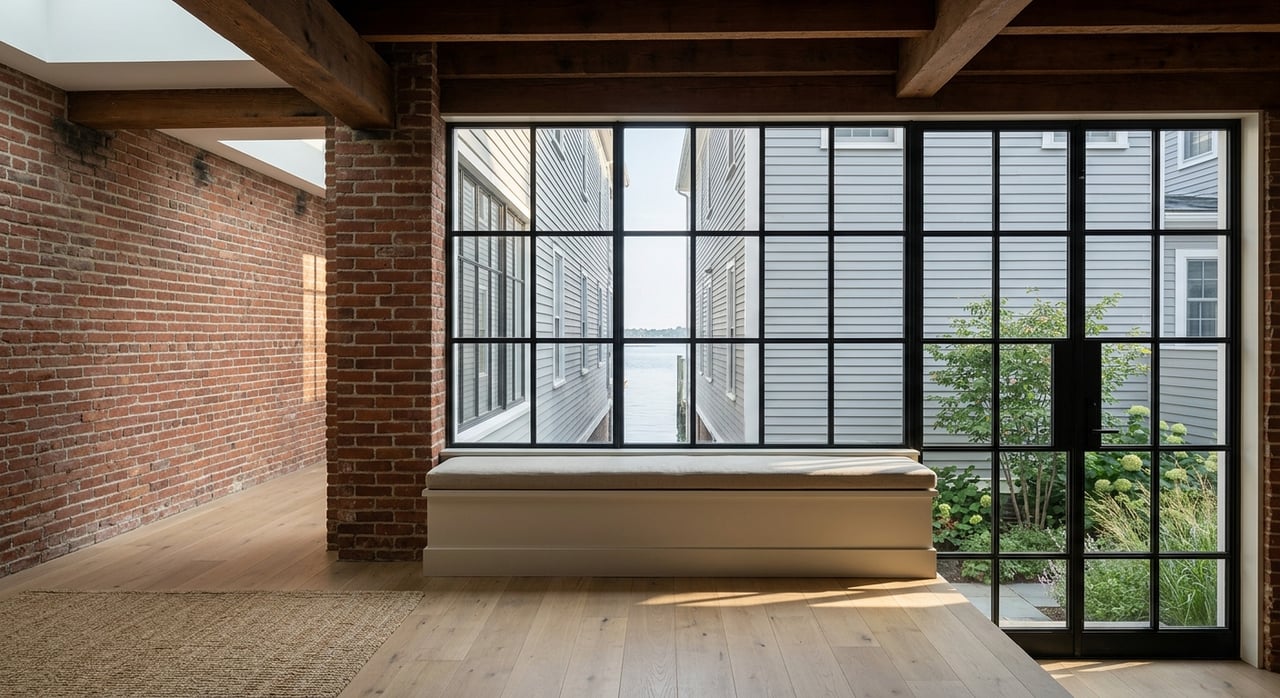
Downtown housing stock is closely tied to Portsmouth’s historic architecture and adaptive reuse. Rather than a large supply of new single-family waterfront construction, buyers are more likely to encounter historic brick buildings, condos, apartments above storefronts, and mixed-use spaces created from older structures.
The downtown historic district includes late 19th- and 20th-century revival styles and brick commercial buildings. The city’s Market Street planning also notes that older commercial and industrial buildings have long been rehabilitated into a mix of residential, office, and retail uses.
That pattern still shows up in current inventory. A recent downtown rehabilitation converted office and restaurant space into seven apartments with restaurant use at street level, which is a good example of the kind of property format you may see in this area.
What that means for buyers
If you are searching near the water downtown, flexibility helps. You may find that character, location, and walkability are the biggest selling points, while layout, storage, parking, or elevator access vary widely from one property to the next.
This is also a market where small details matter. A water view, deeded parking, updated systems, or a well-executed renovation can significantly shape both value and day-to-day convenience.
Price expectations in downtown Portsmouth
For broad market context, Redfin reports Portsmouth’s median sale price at $720,000 in March 2026. It also reports a median sale price per square foot of $608 and a median of 60 days on market.
For downtown homes near the waterfront, it is reasonable to expect pricing to often run above the citywide median. That is not a fixed rule, but it reflects the reality that location near the water, historic character, views, and parking are all relatively limited features.
Because inventory in this part of Portsmouth can be tight, buyers should be prepared for competition when a well-located property comes to market. Looking beyond headline price and focusing on condition, association structure if applicable, and long-term carrying costs can give you a clearer picture of value.
Practical tradeoffs to understand
Waterfront-adjacent living in Portsmouth is appealing, but it is not purely about lifestyle. It also comes with important practical considerations that deserve close attention before you make an offer.
The biggest ones are usually flood exposure, insurance questions, long-term resilience, and parking. These are not reasons to avoid the area, but they are reasons to approach the process with careful local due diligence.
Flood and climate considerations
Portsmouth’s climate resiliency materials make it clear that the historic waterfront is scenic but exposed. The city has completed a coastal resilience study focused on storm surge and sea level rise, and it notes that even in a best-case emissions scenario, sea level could rise 2.5 feet by 2100.
For buyers, that means flood-zone questions should be addressed at the parcel level rather than assumed from a map snapshot or listing description. The city specifically points buyers toward its MapGeo viewer, FEMA’s Map Service Center, and the New Hampshire Flood Hazards Viewer for property-specific due diligence.
Flood-zone status can affect insurance, financing, and long-term maintenance planning. If you are comparing more than one downtown property, these details can become just as important as square footage or finishes.
Parking and car use
Parking often feels different downtown than it does in more suburban parts of the Seacoast. Portsmouth uses curb meters to create turnover for downtown businesses, manages garage and employee parking, and continues to invest in walking and biking infrastructure.
For residents, that means the lifestyle is convenient but more urban in how it handles cars. If you rely on a vehicle every day, you will want to understand exactly what parking comes with a unit, what nearby public options exist, and how guest parking may work.
Is downtown Portsmouth busy?
Yes, especially during the warmer months. That is part of the appeal for many people, but it is something you should weigh honestly.
The combination of Prescott Park, the waterfront setting, downtown restaurants, and a full arts calendar creates an active public atmosphere. If you enjoy energy, walkability, and being close to community events, that can be a major advantage.
If you prefer quieter surroundings, your property selection becomes even more important. Building location, street exposure, parking setup, and window orientation can all influence how a home feels from day to day.
Who this lifestyle suits best
Living near the water in downtown Portsmouth can work well for several types of buyers. It often appeals to people who want a low-maintenance home, a central location, and easy access to dining, parks, and cultural events.
It can also be a strong fit for second-home buyers and downsizers who value walkability and character over extra square footage. In many cases, the appeal is less about owning a large property and more about being part of a distinctive waterfront setting.
The key is matching the lifestyle to your priorities. If you want historic character, an active downtown, and a home base close to the water, Portsmouth offers a compelling mix that is hard to replicate in more car-oriented areas.
How to shop smart near the water
Buying in this part of Portsmouth usually calls for a focused approach. Inventory can be limited, and the details that affect value are often highly property-specific.
A smart search often includes attention to:
- Exact location relative to the waterfront and downtown activity
- Flood-zone and resilience considerations
- Parking arrangements and accessibility
- Building condition and renovation quality
- HOA structure and fees, if applicable
- Views, light, and street exposure
- How seasonal activity may affect daily life
Working through those items early can help you separate a home that simply looks appealing from one that truly fits your goals long term.
If you are thinking about a move in or around downtown Portsmouth, having local guidance matters. The right advice can help you balance lifestyle, property condition, and location-specific risks with much more confidence. When you are ready to talk through your goals, connect with Nola & Associates.
FAQs
Is downtown Portsmouth, New Hampshire walkable?
- Yes. Portsmouth has walk-friendly and bike-friendly designations, and downtown is organized around short trips to shops, dining, parks, and entertainment.
What types of homes are common near the water in downtown Portsmouth?
- Buyers should expect historic brick buildings, condos, apartments above storefronts, and adaptive-reuse properties rather than a large supply of new single-family waterfront homes.
What is the housing price context for Portsmouth, New Hampshire?
- Redfin reports a Portsmouth median sale price of $720,000 in March 2026, with downtown waterfront-adjacent homes often tending higher due to scarcity, views, parking, and historic character.
Should buyers check flood risk near the Portsmouth waterfront?
- Yes. The city highlights storm surge and sea level rise as planning issues, so parcel-level flood-zone due diligence is important before buying.
Is living near the water in downtown Portsmouth busy in summer?
- Yes. Seasonal events, park programming, and downtown activity usually increase foot traffic and create a more lively public atmosphere during warmer months.