If you are drawn to quiet roads, open space, and water views but still want easy access to shopping, dining, and major commuting routes, Newington may catch your attention quickly. This small Seacoast town offers a very specific lifestyle that is not quite fully rural and not quite fully commercial. When you understand how those two sides work together, you can decide whether Newington fits the way you want to live. Let’s dive in.
What makes Newington different?
Newington is a small town in Rockingham County bordered on three sides by the Piscataqua River and Great Bay Estuary. According to the Town of Newington, the community includes residential neighborhoods alongside commercial and industrial districts, with a year-round population around 800. Census Reporter’s latest ACS estimate places the population at 939.
What stands out most is how intentionally the town is divided. Newington’s local characteristics overview shows roughly 27% residential land, 31% conservation, municipal, or wildlife refuge land, 17% commercial-industrial land, and 25% Pease Tradeport. In practical terms, that means Newington is not growing randomly. Its layout reflects a long-term balance between protected residential character and major commercial activity.
Newington’s residential side
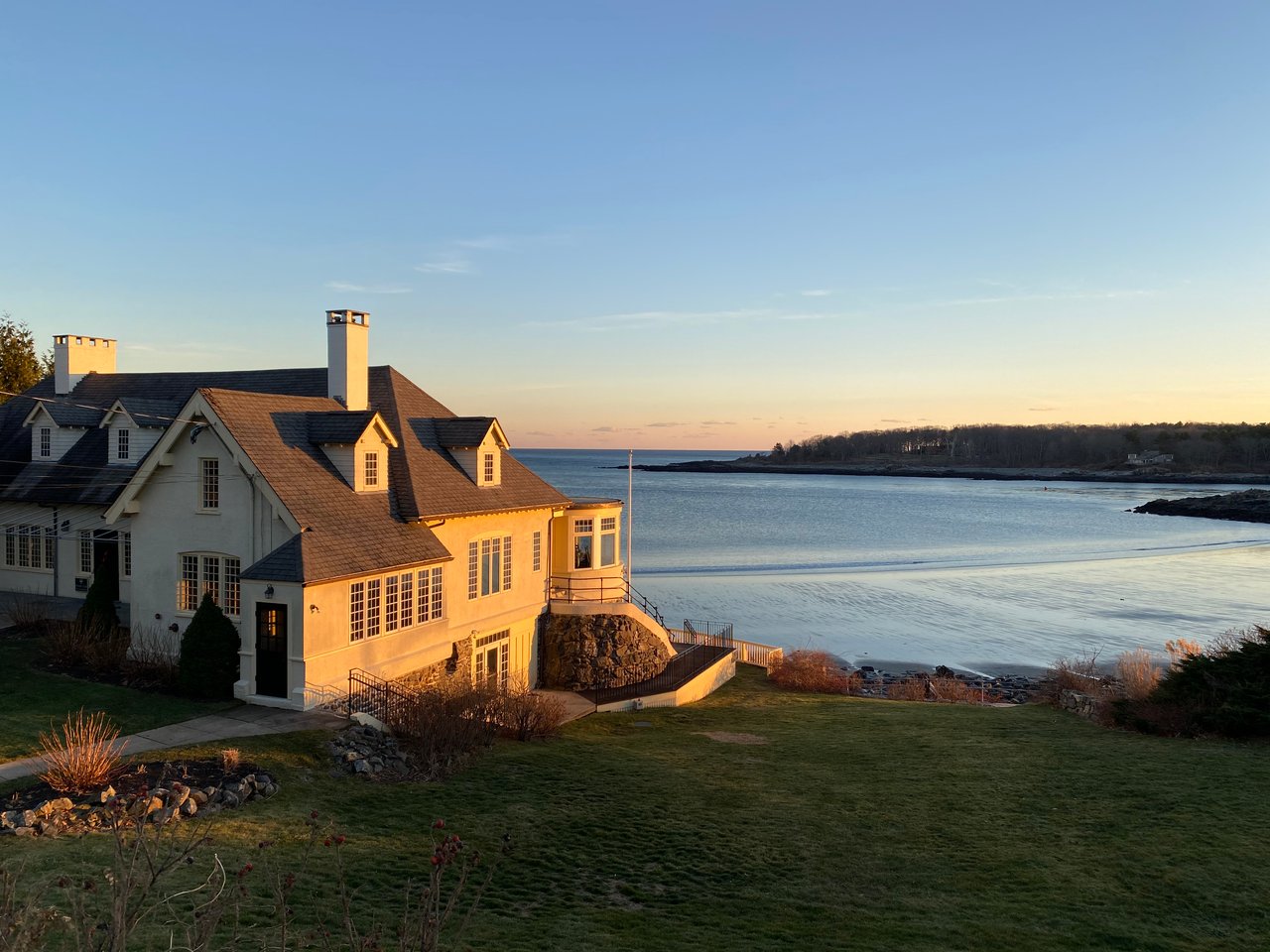
If you picture Newington as a place of historic homes, open fields, and broad water views, that image is grounded in fact. The town describes itself as having historic homes, open land, and views of Little Bay and Great Bay on its community overview page. It also notes that it has more publicly owned conservation land than any other municipality in southeastern New Hampshire.
That conservation presence shapes daily life. Public lands include Fox Point and the Great Bay National Wildlife Refuge, helping preserve a quieter, more open setting than you might expect so close to a busy retail corridor. For many buyers, this is the biggest appeal of Newington: a home base that feels protected and spacious rather than crowded.
Town planning reinforces that identity. The 2020 to 2030 master plan notes that some roads west of the Spaulding Turnpike and north of the Newington-Greenland town line are designated scenic roads, while the town’s vision emphasizes preservation of rural character, scenic views, and open space. That tells you the quieter side of Newington is part of the plan, not just leftover land.
How separated are homes from retail areas?
For many buyers, this is the key question. Newington’s commercial zones are largely east of the Spaulding Turnpike, while the town’s rural residential character is more strongly associated with the quieter western side and conservation-heavy areas. That separation helps create two very different experiences within one town.
Still, Newington is a small place geographically. You are not moving to a remote countryside setting far from activity. Instead, you are choosing a town where residential areas and major shopping and employment centers exist in close proximity, with a clearer land-use split than you might find in a more blended suburban layout.
Newington’s retail and convenience side
Newington is also a regional retail and employment hub. The town states that its commercial, industrial, and waterfront area, along with Pease Tradeport, supports about 15,000 employees, more than 5,000 daily shoppers, and roughly 70,000 vehicles per day on the Spaulding Turnpike, according to its economic development page.
That is a large volume of activity for a town with such a small resident population. In fact, Newington’s master plan draft says commercial establishments are patronized primarily by people from outside the community. So while you may enjoy the convenience, you should also expect parts of town to function like a busy regional destination.
Retail anchors play a major role here. The town identifies Fox Run Mall as a full-scale mall with national retailers and a food court, while The Crossings adds open-air shopping, dining, and entertainment. If you value having everyday errands, restaurants, and retail options close by, this is one of Newington’s strongest advantages.
What that convenience means for daily life
For the right buyer, Newington makes everyday routines easier. You can live in a quieter setting and still stay close to shopping, employment centers, and major roads. That mix can feel especially useful if you commute, travel often, or simply prefer not to drive far for errands.
The tradeoff is that some parts of town carry a busier corridor feel. If your top priority is a residential setting fully removed from retail traffic and regional activity, Newington may feel more active than expected. The convenience is real, but so is the commercial presence.
Housing supply may be limited
Newington’s land-use pattern also affects housing availability. The town’s local characteristics page and master plan explain that residential housing is precluded on more than 55% of town land. With large shares dedicated to conservation, Pease Tradeport, and commercial or industrial uses, there is simply less land available for residential development.
For you as a buyer, that can mean a smaller pool of homes compared with nearby communities that have more land set aside for neighborhoods. It may also mean that when a property in Newington becomes available, it draws attention from buyers who want that unusual mix of privacy, open space, and convenience. In a market like this, preparation matters.
Commute and access advantages
Newington’s location is one of its biggest practical strengths. The town says it is about 60 miles from both Boston and Portland and offers access to I-95, Portsmouth International Airport at Pease, the COAST bus system, rail service, and the state’s only deep-water port on its about page. That gives residents a strong transportation network for work, travel, and regional access.
Census Reporter’s latest ACS estimate puts the mean travel time to work at 23.3 minutes. For many buyers, that number supports the idea that Newington can offer a more tucked-away home setting without cutting you off from job centers and services. If you want a Seacoast location with easy connections, Newington deserves a closer look.
Price point and taxes
Newington’s tax rate may catch your eye first. The town’s FAQ page lists the 2024 and 2025 tax rate at $7.88 per $1,000 of assessed value. That may sound appealing when you compare it with rates in some surrounding markets.
At the same time, the town is not necessarily an entry-level option. Census Reporter’s latest ACS estimate places median owner-occupied housing value at about $861,600 and median household income at about $145,833. In other words, Newington may offer tax advantages, but the housing market itself still points to a higher-value community.
Who Newington may suit best
Newington can be a strong fit if you want:
- A small-town setting with protected open space
- Quick access to shopping, restaurants, and services
- Strong regional commuting connections
- A home base near the Seacoast with a quieter residential feel in select areas
- A community where conservation and land-use planning shape the overall character
It may be a weaker fit if you want:
- A traditional walkable village center
- A purely residential environment far removed from commercial activity
- A broad range of available housing inventory
- A lower-price market with more entry-level options
The bottom line on Newington
Newington offers a rare combination in the Seacoast region. It blends scenic roads, conservation land, and water-oriented surroundings with a major retail and employment corridor that serves the wider area. If you like the idea of living near open space without giving up convenience, that balance may feel very appealing.
The key is knowing which side of the mix matters most to you. If you want help comparing Newington with nearby Seacoast communities or understanding what kind of home opportunities may be available, Nola & Associates can help you evaluate the fit with local insight and thoughtful guidance.
FAQs
Is Newington, New Hampshire more rural or more commercial?
- Newington is both, by design. The town includes residential and conservation-heavy areas along with a major commercial and industrial corridor, with land intentionally divided among those uses.
How much of Newington is residential land?
- According to the town’s local characteristics page, about 27% of Newington’s land is residential, while large portions are also dedicated to conservation land, commercial-industrial uses, and Pease Tradeport.
Is housing inventory limited in Newington, New Hampshire?
- It can be limited because residential housing is precluded on more than 55% of town land, which reduces the amount of land available for homes.
Does Newington offer convenient access to shopping and commuting routes?
- Yes. Newington has major retail destinations like Fox Run Mall and The Crossings, plus access to I-95, Portsmouth International Airport at Pease, COAST bus service, rail service, and other regional transportation links.
Is Newington a good fit if you want a quiet home near Portsmouth?
- It may be, especially if you want a quieter, conservation-oriented setting with quick access to retail, jobs, and transportation. It may be less ideal if you want a traditional village center or a location fully removed from busier commercial corridors.