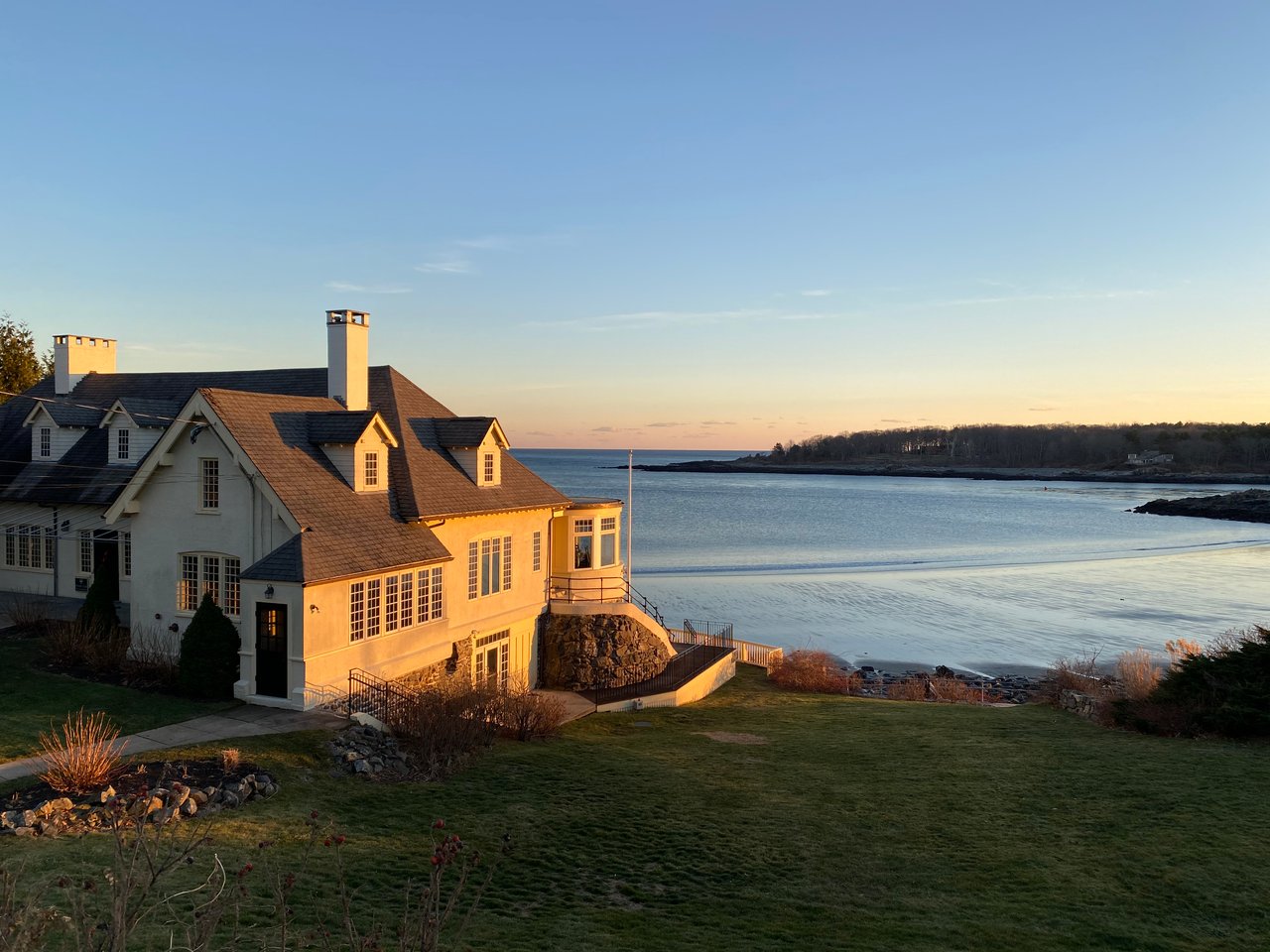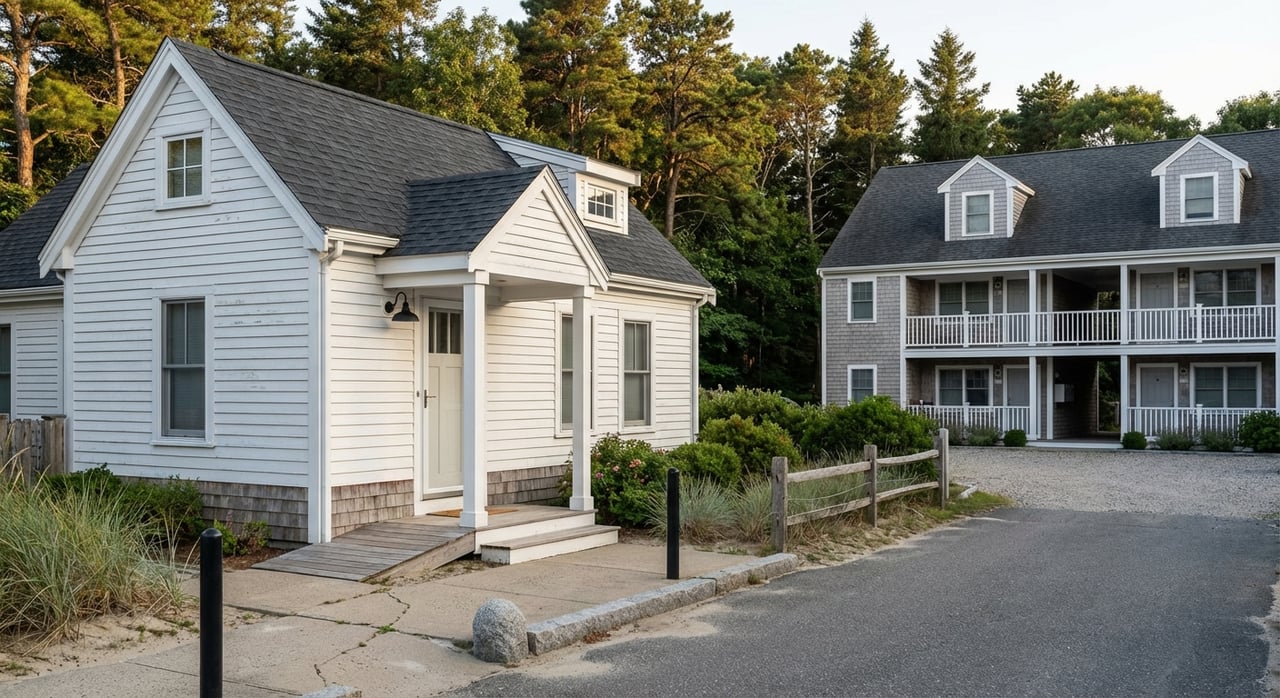
Dreaming of a little place by the Atlantic where you can stroll to the sand, watch the marsh at sunset, or lock and leave without worry? Buying in Wells can deliver that coastal lifestyle, but the details matter. Between flood maps, condo rules, zoning, and short-term rental policies, a smart plan up front saves headaches later. In this guide, you’ll learn how to compare beach cottages and condos in Wells, what to verify before you offer, and which local sources to trust. Let’s dive in.
Wells locations and what they mean
Wells offers a string of beloved beaches and coastal habitats that shape both experience and risk. The shoreline runs through Moody Beach, Wells Beach, and Drakes Island, with the Webhannet River and salt marshes just behind. These areas see strong seasonal demand and varied flood profiles. For orientation and beach context, review this Maine beaches guide.
The Rachel Carson National Wildlife Refuge protects large marsh areas around Wells, preserving view corridors and quiet habitats that many homes overlook. The refuge is also a steady draw for visitors in every season, which supports rental demand while maintaining conservation buffers. Learn more about the refuge’s footprint and access points at the Rachel Carson National Wildlife Refuge.
Beachfront vs. marsh view
On or near the sand, you’ll feel the summer energy, be close to shops and dining, and face higher exposure to storms and tides. Marsh-view streets offer serene vistas, birdlife, and striking sunsets, yet they also sit in low-lying zones that may carry flood implications. Each setting delivers a different pace, along with different permitting and insurance considerations.
West of Route 1
Head west of Route 1 and you’ll find more year-round neighborhoods with larger lots and easier parking. If you want a primary or four-season home, this area is often a fit. It usually feels less transient than the beach blocks, but you trade off immediate sand access for space and practicality.
Property types to compare
Seasonal beach cottages
These classic wood cottages cluster along Atlantic Avenue/Wells Beach and parts of Drakes Island. Lots and frontages are typically small, with narrow streets and tight parking. Many cottages were built for summer use, so plan for seasonal systems, potential elevation or floodproofing needs, and careful review of renovation rules.
Year-round single-family homes
You’ll see more of these west of Route 1. They tend to offer more parking and storage, predictable utilities, and layouts better suited to winter living. If you want a longer stay or full-time residence while staying close to the coast, this category is worth exploring.
Condos and cottage clusters
Wells has a mix of small shorefront condo buildings and larger complexes near Post Road and beach access corridors. Condos appeal if you want lower maintenance and shared amenities. Some buildings allow seasonal rentals and market to vacationers. Before you buy, confirm association rules, fees, and any limits on rentals.
Zoning, flood rules, and permits
Wells’ Land Use rules define what you can do with a property, including where multifamily and lodging uses are allowed. Check the property’s district in the town’s Land Use ordinance, Chapter 145 and confirm permitted uses with Code Enforcement.
Flood rules are also central. Wells participates in the NFIP and amended its Floodplain Management ordinance, Chapter 116 in 2024. Many cottages near the beach fall in Special Flood Hazard Areas with A, AE, or VE designations. Before you offer, pull the official FEMA map panel and note the Base Flood Elevation. The FEMA Flood Map Service Center is your source for current panels and products.
If you plan renovations, especially in shoreland or resource protection overlays, check permitting early. Reconstruction seaward of dunes, within shoreland setbacks, or below flood elevations can be limited, require special approvals, or trigger elevation and mitigation standards.
Short-term rentals in Wells
If you intend to rent seasonally, do not assume past practice equals future approval. The Town of Wells has been actively discussing licensing, inspection, owner limits, and where STRs are permitted. These rules can affect whether you can rent, how often, and at what cost. Track current agendas and meeting minutes on the town’s Agenda Center and confirm what applies to your target address and zoning.
Condo and HOA protections to understand
Maine’s Condominium Act governs how associations are formed and run, and it sets out what buyers are entitled to receive and review. Knowing these rules helps you evaluate financial health and risk before you commit. Read the Maine Condominium Act for an overview of owner rights, meetings, budgets, liens, and records.
Before you buy, request and review:
- Declaration, bylaws, amendments, and any deed restrictions
- Current budget, assessments, and the most recent financials
- Reserve study, if available
- Master insurance policy and coverage limits
- Meeting minutes for the last 12 to 24 months
- Pending or recent special assessments and any litigation
- Rental policies, minimum-stay rules, and historical rental data, if offered
Pay close attention to owner delinquency rates, insurance deductibles and exclusions, and any rental caps. These can influence future assessments, lender approval, and your projected income if you plan to rent.
Buyer due diligence checklist
Use this step-by-step list to protect your investment and speed up closing.
- Confirm seller disclosures and state forms
- Maine requires a written property disclosure that covers systems, waste disposal, insulation, known defects, and certain flood information. Read it closely and request the FEMA panel info if the property may be in a flood area. Review the statute at 33 M.R.S. §173.
- Check flood and coastal hazards
- Pull the FEMA FIRM panel, verify the Base Flood Elevation, and ask for an Elevation Certificate for any building in A, AE, or VE zones. If you anticipate improvements, confirm local flood permits that may apply. Start at the FEMA Flood Map Service Center.
- Evaluate septic and well systems
- In non-sewer areas, obtain septic plans, service records, and a recent inspection or pump report. In shoreland zones, special permits and disclosures may apply. Plan for maintenance or replacement if you aim to rent heavily. The EPA’s onsite wastewater overview is a helpful primer: onsite wastewater basics.
- Price insurance early
- Get quotes for dwelling, wind, and flood coverage before you commit. Coastal premiums can be higher and underwriting rules vary. Insurers will rely on FEMA mapping and elevation details, so gather that data as you shop.
- Review association documents
- For condos and cottage communities, request the full package: declaration, bylaws, budget, reserve details, minutes, insurance certificates, assessment roll, and rental policy. Maine law gives owners rights to examine association records. See the Maine Condominium Act for specifics.
- Verify STR and lodging compliance
- If rentals are part of your plan, confirm local licensing, registration, inspection, and any cap or owner-limit rules. Then check association restrictions and state lodging tax obligations. Follow town actions in the Agenda Center.
- Confirm access, parking, and neighborhood fit
- Near Atlantic Avenue and the beach, expect narrow streets, limited parking, and heavy summer foot traffic. West of Route 1 usually brings easier parking and a more year-round pattern. Decide what balance of walkability, quiet, and convenience fits your goals.
- Scope permits for any renovations
- Ask Code Enforcement about building, shoreland, and flood permits. Properties near dunes, marshes, and shorelines have added review layers. Start with the town’s Land Use ordinance and Floodplain Management chapter.
- Understand seasonality and demand
- Wells’ peak visitor season typically runs late spring through early fall. Beaches, coastal trails, and conserved marshlands draw steady traffic, which supports rental interest. Keep expectations grounded and avoid projecting returns without real income and expense data. For regional coastal trends, review Maine’s coastal climate and trends page.
How to choose between a cottage or condo
If you want simplicity, shared maintenance, and clearer budgeting, a condo may fit you best. If you crave a standalone place steps from the sand and can handle flood and maintenance planning, a cottage can be perfect. Your decision should weigh four factors: location, rules, risk, and resale.
- Location. Decide whether beachfront energy or marsh serenity fits your lifestyle and insurance tolerance. West of Route 1 is practical for four-season living.
- Rules. Confirm zoning and association policies, especially rental limits and renovation approvals.
- Risk. Pull flood maps, price insurance, and consider elevation or mitigation work in your budget.
- Resale. Buyers value walkability, parking, and updated systems. HOA strength and clear rental policies can also support resale.
Next steps
- Identify two or three target areas that fit your lifestyle and risk comfort.
- Pull the FEMA panel and request seller disclosures before you tour.
- If a condo interests you, request the full association packet early.
- If you plan to rent, check town agendas for the latest STR updates and confirm association rules in writing.
When you have a short list, you will be ready to compare apples to apples on costs, rules, and convenience. That is how you buy with confidence in a coastal market like Wells.
Ready to talk through options, neighborhoods, and a smart due diligence plan? Reach out to Nola & Associates for local guidance from a team that knows the Maine Seacoast inside and out.
FAQs
What is the difference between seasonal and year-round homes in Wells?
- Seasonal cottages near the beach often have smaller lots and systems built for warm-weather use, while year-round homes west of Route 1 usually have more parking, space, and four-season utility setups.
How do I check flood risk for a Wells beach property?
- Look up the address at the FEMA Flood Map Service Center, note the flood zone and Base Flood Elevation, and request an Elevation Certificate to help price insurance and plan renovations.
Are short-term rentals allowed in Wells right now?
- The town has been working on STR policies that may require licensing, inspections, or caps. Check the latest Select Board and Planning Board agenda updates and confirm what applies to the property’s zoning.
What condo documents should I review before buying?
- Ask for the declaration, bylaws, budget, reserve details, insurance policy, meeting minutes, assessment roll, and rental rules so you can gauge financial health and restrictions.
Can I renovate or elevate a beach cottage in Wells?
- It depends on zoning, shoreland and flood overlays, and building codes. Speak with Code Enforcement early to learn what permits and standards will apply to your plan.