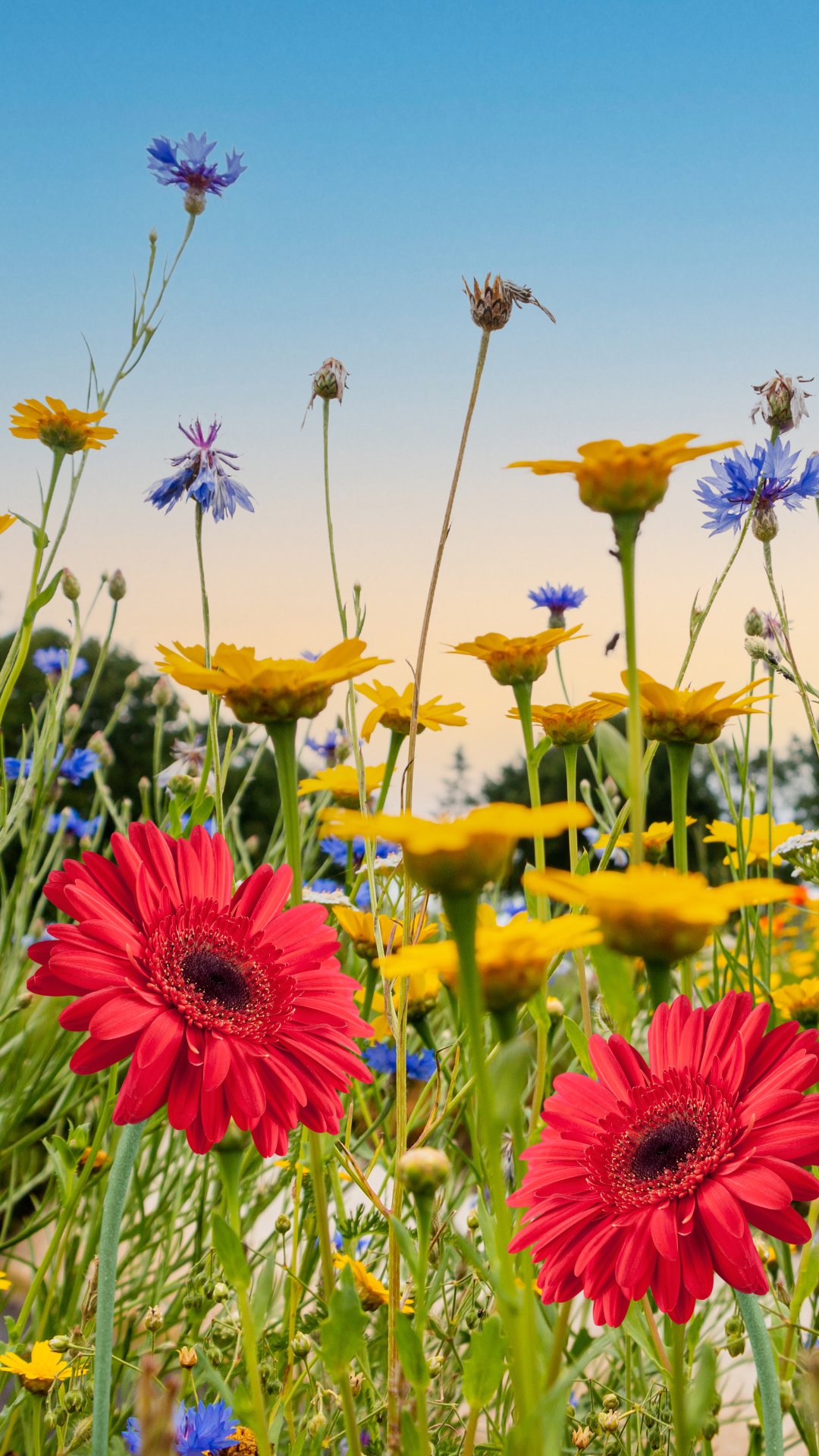
“Ever since I could remember anything, flowers have been a dear friend to me, comforters, inspirers, powers to uplift and to cheer,”
Celia Thaxter from An Island Garden
An old-fashioned or “grandmother’s garden” grew in popularity during the late 19th century. No single garden epitomized that trend more than the poet Celia Thaxter’s little plot of land on Appledore Island in the Isles of Shoals, off the coast of Maine. She was a lonely child growing up on that isolated rocky isle, just ten miles from shore, but far enough to keep her from the company of peers. She began gardening at the age of five, the flowers in her small patch becoming her friends. By the end of her life, Celia’s garden had become one of America’s most revered and recognizable thanks to the dozens of paintings by American Impressionist Childe Hassam, who captured its romantic beauty for all time.
During the years between the Civil War and World War I, gardening in America became a popular pastime. Seed companies, nurseries and horticultural professionals proliferated, along with the emergence of garden clubs and published garden manuals, books and magazines. New plants were continually introduced from all over the world and gardens were inspired by new methods of designing and planting. Simultaneously, and perhaps as a bit of a pushback against the changing world, so grew the desire to preserve its history. As Colonial furnishings and architecture enjoyed a resurgence, so did the plantings of this simpler time. The native and common flowers of “grandmother’s gardens” soon became the rave and further secured the preservation of days gone by. Their nostalgic evocation soothed souls during the turbulent times of the industrial revolution and quickly changing culture of the early twentieth century.
Gardens became places where women especially, could express their creativity and create a space that reflected their own identity outside of the day-to-day duties of domestic life. Many women were inspired to branch out and enjoy successful careers as writers, painters, photographers, and landscape designers. Celia Thaxter was one such woman. She was born to a lighthouse keeper in 1835, hence her childhood on the Isles of Shoals. When Celia was eight years old her father built a large hotel on Appledore Island. It soon became a gathering place for the literary and artistic greats of the time, including Nathaniel Hawthorne, Harriet Beecher Stowe, Henry David Thoreau, and most significantly, Childe Hassam.
Celia married at the age of sixteen and left the island for the Boston area for ten years, where she studied painting and began to write. Her published writings helped support her family, as her husband was unable to apply provide for her and their three sons. It also kept her in the company of some of the greatest artists and writers of the time. She eventually returned to the island to care for her mother and take over as hostess of the family hotel business. During this time, she held informal salons in the parlor of her cottage that attracted these same cultural leaders of the day. Her gardening and painting endeavors also grew more serious. Her marvelous garden of poppies, hollyhocks, wisteria, nasturtiums, sweet peas, clematis, phlox, (the list goes on!) grew not only from the rocky soil of Appledore, but also from the influence of the cultural elite she surrounded herself with. They all valued the distinct landscape and celebrated it in their writings and paintings.
In the last year of her life, Celia published her most famous book An Island Garden, a must-read for anyone who loves to garden. Celia’s beautiful writing brings her garden to life, capturing the visual allure of an old-fashioned fancy and the spiritual grace of creating and caring for it. While the hotel and cottage were lost to fire many years ago, her garden has been restored and continually cared for. According to the caretakers, some of Celia's original plants are still in the garden: the snowdrops, the hops vine, and day lilies. Hollyhocks still spill down to the water's edge, and brilliant red poppies are planted each year to echo the famous paintings of Childe Hassam. A visit to this magical place can be arranged by contacting Shoals Marine Laboratory at shoalsmarinelaboratory.org